

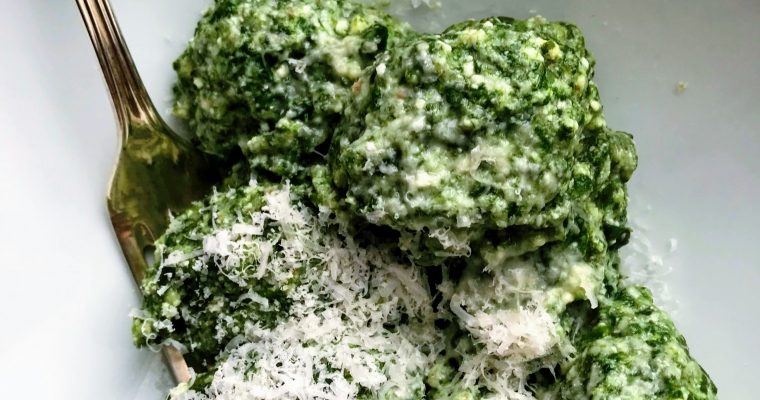
Ricotta and spinach dumplings, known in Italy as gnudi, are a delicious and wholesome idea for lunch or dinner, and they are usually a favorite with both adults and children. The name gnudi, meaning “naked”, refers to the fact that they are essentially a ravioli filling served without the pasta wrapping. You can make them with either fresh or frozen leaf spinach, although I always prefer fresh spinach for its better flavor and firmer texture once cooked. Pre-washed fresh spinach works perfectly well too. Whichever type you choose, the most important step is to squeeze the spinach extremely well after cooking. It needs to be as dry as possible: any excess water will make the mixture too soft and force you to add more flour, resulting in heavier gnudi. The ricotta should also be quite dry and firm. Fresh ricotta from a good dairy is ideal. Roman sheep’s milk ricotta is particularly flavorful, but a good-quality cow’s milk ricotta, especially the traditional kind sold in draining baskets, works beautifully too. The secret to light, delicate gnudi is simple: well-drained ricotta, perfectly squeezed spinach and as little flour as possible.
Ingredients
For 4 people
-
- 300 g spinach weighed after cooked and squeezed
- 300 Gr. Ricotta
- 2 eggs
- 3 tablespoons grated Parmesan cheese
- 1-2 tablespoons flour
- nutmeg or bean tonka, a ground
- salt and pepper
Seasoning
-
- Butter
- 1 garlic clove
- A few sage leaves
- Grated Parmesan cheese
Preparation
Place the ricotta in a fine-mesh sieve and leave it to drain thoroughly. It is important to remove as much excess whey as possible, otherwise the mixture will be too soft. Clean the spinach, removing any tough stems, and wash it thoroughly at least twice. Transfer the spinach directly from the sink to a large pot, without draining it completely. Add a pinch of salt, cover with a lid and cook over high heat for just a few minutes, until wilted.
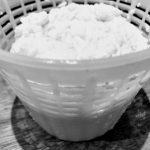


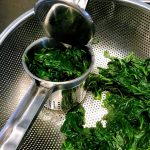
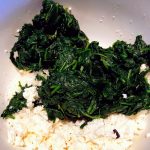
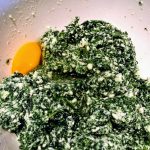
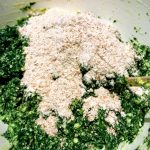
Drain the spinach and squeeze it very well to remove as much water as possible. I usually use a potato ricer; alternatively, a salad spinner works well if the basket has very small holes. Pass the drained ricotta through a sieve into a large bowl. Season with a pinch of salt and pepper, then add some freshly grated nutmeg or Tonka bean and 3 tablespoons of grated Parmesan cheese. Mix well, then add the finely chopped, well-squeezed spinach. Stir everything together and incorporate the 2 eggs. Finally, add 1–2 tablespoons of flour (I like to use wholemeal flour). The mixture should be fairly firm and hold its shape. The exact amount of flour will depend on how much moisture remains in the spinach and on the consistency of the ricotta, so add it gradually.
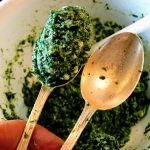
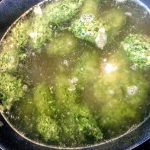
Bring a large pot of salted water to the boil, then reduce the heat slightly so that the water is gently simmering rather than vigorously boiling. Using two spoons, shape small portions of the mixture into oval dumplings and gently slide them into the water. Cook a few at a time, without overcrowding the pot. When the dumplings rise to the surface, lift them out carefully with a slotted spoon and arrange them directly on the serving plates. Meanwhile, melt the butter in a small pan with a clove of garlic and a few fresh sage leaves, allowing the butter to become fragrant without burning.
Adocchio’s Tips
-
- Drain the ricotta well: this is essential for getting firm dumplings that hold their shape during cooking. If possible, leave the ricotta to drain in a fine-mesh sieve for a few hours in the refrigerator.
- Squeeze the spinach thoroughly: after cooking, remove as much water as possible. Excess moisture will make the mixture too soft and you will need to add more flour, making the dumplings heavier.
- Add the flour gradually: start with just one tablespoon and add more only if necessary. The mixture should be soft but firm enough to hold its shape when formed with two spoons.
- Do a test dumpling: before cooking the whole batch, cook just one. If it falls apart in the water, add a little more flour to the mixture. This simple test can save the entire batch!
- Keep the water at a gentle simmer: once the water comes to the boil, lower the heat. A vigorous boil could break the delicate dumplings.
- Butter and sage: let the butter melt gently with the sage and garlic until fragrant. For an even richer flavor, allow the butter to become lightly golden and nutty before spooning it over the dumplings.
- Serve immediately: these dumplings are at their best served piping hot with plenty of grated Parmesan and sage butter.