

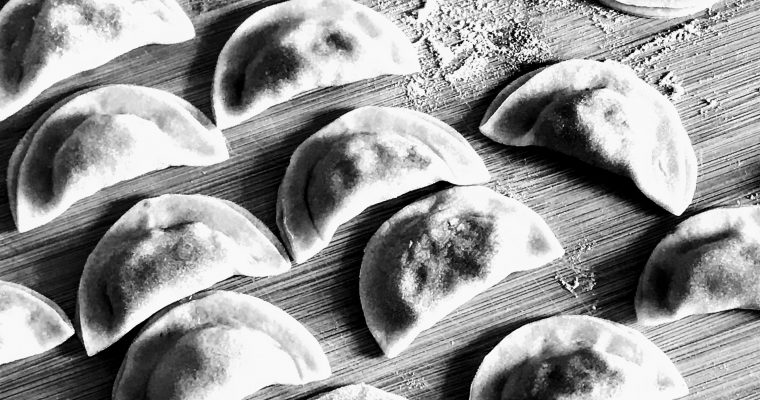
Beetroot Ravioli from the Dolomite
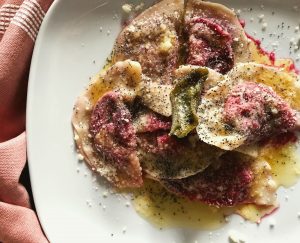
Casunziei are traditional ravioli from the Dolomites, prepared in different variations depending on the area and the season. The version filled with beetroot is, in my opinion, one of the most distinctive and represents one of the signature dishes of Cortina d’Ampezzo.The contrast between the natural sweetness of the beetroot and the rich, savory dressing makes these ravioli simple yet truly special, deeply rooted in the culinary traditions of the Ampezzo Valley. Let’s see how to make them!
For the pasta
-
- 300 gr of plain flour , or 250 gr of plain flour and 50 gr of semola
- 3 eggs
For the filling
-
- 3-4 red beets
- 1 medium potato or 2 small
Seasoning
-
- butter
- 2-3 sage leaves
- 1 garlic clove
- grated Parmesan cheese
- poppy seeds (optional)
Preparation
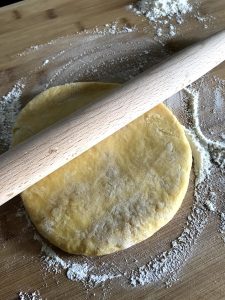
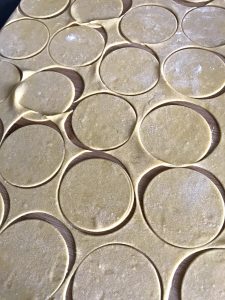
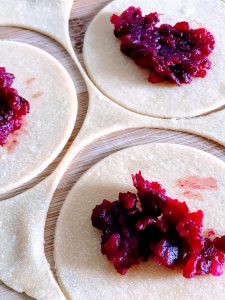
Cook the beetroot and potatoes: boil them in salted water in two separate pots until tender. Prepare the pasta dough: place the flour on a work surface and make a well in the center. Add the eggs, which should be at room temperature. Start incorporating the flour with a fork, then knead with your hands until you have a smooth, firm and compact dough. Wrap it in cling film and leave it to rest in the refrigerator for at least 30 minutes. Prepare the filling: peel the beetroot and potatoes. Mash the potatoes and finely grate the beetroot. Place the grated beetroot in a fine-mesh strainer and allow it to drain thoroughly to remove as much excess liquid as possible. Combine the beetroot and potatoes, mix well and season with salt if necessary. Set the filling aside. Roll out the pasta: using a rolling pin, roll the dough into a thin sheet. I recommend working with a small amount of dough at a time, keeping the rest well wrapped in cling film to prevent it from drying out. Make the casunziei as you go before rolling out another portion of dough. Cut out the circles: using a round pastry cutter about 8–10 cm (3–4 inches) in diameter, cut out as many circles as possible. Don’t throw away the scraps: cut them into small, irregular pieces and leave them to dry. They are delicious added to soups and broths. Shape the casunziei: place a teaspoon of the beetroot and potato filling in the center of each circle. Fold the pasta over to form a half-moon and seal the edges very carefully, gently pressing out any air around the filling. Cook the casunziei: bring a large pot of salted water to the boil and cook the ravioli for approximately 5–7 minutes, checking that the pasta is cooked before draining them. Prepare the dressing: while the casunziei are cooking, gently melt the butter in a small pan with a few sage leaves and a clove of garlic. Allow the flavors to infuse, taking care not to let the butter become too dark, then remove the garlic.
Serve: arrange 5–6 casunziei per person on each plate, sprinkle with grated Parmesan and spoon over about two tablespoons of the melted sage butter. If you like, finish with a teaspoon of poppy seeds, a particularly characteristic accompaniment to Casunziei all’Ampezzana. Serve immediately, while piping hot.
Adocchio’s Tips
-
- Keep the filling dry: after grating the beetroot, allow it to drain thoroughly. A filling that is too wet can make the pasta soggy and the casunziei more difficult to seal.
- Work with a little dough at a time: always keep the dough you are not using wrapped in cling film. The pasta needs to remain soft and elastic so that the edges seal properly.
- Don’t overfill them: one teaspoon of filling is enough. Too much filling can cause the casunziei to open during cooking.
- Seal the edges carefully: before folding each raviolo into a half-moon, gently press out the air around the filling, then firmly seal the edges.
- Don’t waste the pasta scraps: cut them into small, irregular pieces and leave them to dry. They are perfect for adding to soups and broths.
- Butter, sage and poppy seeds: this traditional combination enhances the delicate flavor of the filling without overpowering it. Melt the butter gently and add the poppy seeds directly to the finished dish.
- Make them ahead: casunziei can also be frozen uncooked. Arrange them in a single layer on a lightly floured tray, making sure they do not touch. Once frozen, transfer them to a freezer bag. Cook them straight from frozen without thawing.